Book an Appointment
NON-SURGICAL SPINAL CARE

Spinal Decompression

Explore a non-surgical approach to managing certain back and disc-related symptoms. At McGunnigle Chiropractic in Haddonfield, NJ, we offer personalized care discussions to help you understand your treatment options.

Discover whether spinal decompression may be appropriate for your individual needs and wellness goals.

Non-Surgical Care Options Haddonfield, New Jersey
PERSONALIZED NON-SURGICAL SPINAL CARE

Finding Relief from Disc Pain with Spinal Decompression

Back pain associated with a disc injury can make everyday activities uncomfortable. Sitting, standing, walking, working, and sleeping may become more difficult when symptoms persist.

Bulging and herniated discs can sometimes irritate nearby nerves, contributing to pain, tingling, numbness, or discomfort that travels into an arm or leg.

At McGunnigle Chiropractic in Haddonfield, NJ, spinal decompression is one of the non-surgical care options that may be discussed for selected patients with back or disc-related concerns.

Gentle, Controlled Traction

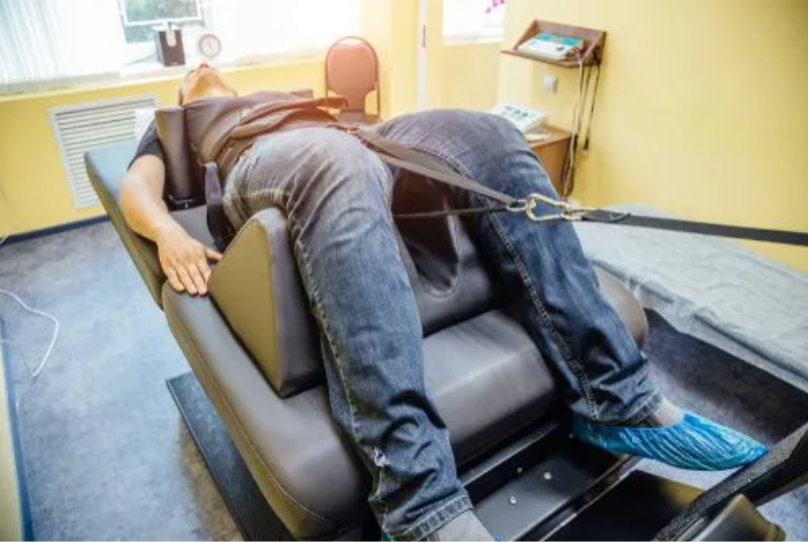
Specialized equipment applies carefully controlled stretching forces to the spine.

Non-Surgical Treatment Option

An approach that does not involve surgical incisions or injections.

Individualized Care Planning

Treatment suitability depends on your symptoms, health history, and clinical assessment.

Important: Spinal decompression is not suitable for every spinal condition, and relief is not guaranteed. A healthcare professional should evaluate your symptoms and discuss appropriate treatment alternatives.
SCHEDULE A CONSULTATION
Patient receiving spinal decompression treatment on a specialized traction table
NON-SURGICAL SPINAL CARE Spinal Decompression

Treatment plans and equipment settings are individualized according to patient needs.

COMMON DISC CONDITIONS

Understanding Bulging and Herniated Discs

Your spine contains vertebrae separated by intervertebral discs. These discs help cushion the spine and support movement. When a disc bulges or herniates, it may irritate nearby nerves and sometimes contribute to pain, numbness, tingling, or weakness.

01

Bulging Discs

A bulging disc extends beyond its usual boundary. Many bulging discs cause no symptoms, but some can contribute to discomfort or pressure on nearby nerves.

02

Herniated Discs

A herniated disc occurs when material from inside the disc pushes through a weakness or tear in its outer layer. It may irritate a nearby nerve.

03

Nerve Pressure

When spinal nerves become compressed or inflamed, symptoms may include pain, tingling, numbness, or weakness in the back, arms, or legs.

04

Impact on Daily Life

Disc-related symptoms may interfere with sitting, lifting, walking, sleeping, and work activities. Their impact varies from person to person.

Important: Not every bulging or herniated disc needs treatment. Symptoms and imaging findings must be considered together. New bladder or bowel dysfunction, numbness around the groin, or rapidly worsening leg weakness require emergency medical evaluation.

EXPLORE YOUR CARE OPTIONS

Experiencing Back or Disc-Related Discomfort?

Contact McGunnigle Chiropractic to discuss your symptoms and whether a consultation for conservative spinal care is appropriate.

BOOK AN APPOINTMENT
UNDERSTANDING THE TREATMENT PROCESS

How Spinal Decompression Therapy Works

Spinal decompression therapy uses a specialized treatment table to apply controlled traction to the spine. The goal is to gently stretch selected areas of the back as part of a conservative treatment approach.

During treatment, the equipment delivers gradual, carefully managed pulling forces. Your provider determines whether this approach may be appropriate based on your symptoms, medical history, and individual needs.

01

Initial Consultation & Assessment

Your provider reviews your symptoms, health history, and relevant findings to determine whether spinal decompression is a suitable option.

02

Controlled Spinal Traction

You are positioned on a specialized table while carefully controlled traction is applied according to an individualized protocol.

03

Reviewing Progress & Next Steps

Your response is reviewed over time. Your provider may discuss exercise, activity modification, or other conservative care approaches when appropriate.

Important to Know: Spinal decompression is not appropriate for everyone. Certain fractures, spinal instability, severe osteoporosis, and other conditions may make traction unsuitable. Your provider should assess potential risks before treatment.

DISCUSS YOUR TREATMENT OPTIONS
Patient lying on a specialized spinal decompression treatment table
CONSERVATIVE SPINAL CARE Personalized Decompression Therapy
YOUR NEXT STEP

Schedule a Consultation

Experiencing back or disc-related discomfort? Contact our team to discuss available care options and appointment scheduling.

YOUR QUESTIONS, ANSWERED

Frequently Asked Questions About Herniated Discs

Understanding your symptoms and treatment options can help you make informed decisions about your spinal health.

Explore answers to some frequently asked questions about herniated discs, conservative treatment, and what to expect during a chiropractic consultation.

HAVE MORE QUESTIONS?
PREFER TO SPEAK WITH US? (856) 310-4445
What is a herniated disc?

A herniated disc occurs when some of the softer material inside a spinal disc pushes through a weakened or torn area of its outer layer. If the material irritates nearby nerves, it may contribute to pain, numbness, tingling, or weakness.

Can a herniated disc heal without surgery?

Many people with herniated discs improve without surgery. Depending on the condition, conservative management may include appropriate activity, physical therapy, medication prescribed by a healthcare professional, or other suitable treatments. Some cases require specialist evaluation or surgery.

Is chiropractic care suitable for a herniated disc?

Chiropractic care may be considered for some patients, but it is not appropriate for every herniated disc or symptom pattern. A careful assessment is necessary before recommending treatment, particularly when numbness, weakness, or nerve-related symptoms are present.

What is spinal decompression treatment?

Non-surgical spinal decompression generally refers to treatment involving controlled traction of the spine. It may be discussed for selected conditions, although evidence of benefit varies and it is not suitable for everyone. A clinician can explain potential risks, limitations, and alternatives.

How long does herniated disc recovery take?

Recovery timelines vary depending on the location of the disc, severity of symptoms, nerve involvement, and individual health factors. Some people improve over several weeks, while others experience symptoms for longer and need additional evaluation or treatment.

When should I seek urgent medical attention?

Seek emergency medical care for new loss of bladder or bowel control, numbness in the saddle or groin area, or sudden or rapidly worsening weakness. These symptoms can indicate serious nerve compression and require immediate medical evaluation.

Personalized consultations at McGunnigle Chiropractic in Haddonfield, New Jersey.

PLAN YOUR VISIT

Office Hours

Monday 08:30 am - 06:00 pm
Tuesday 09:30 am - 04:00 pm
Wednesday 07:00 am - 05:00 pm
Thursday 08:30 am - 06:00 pm
Friday Closed
Saturday Closed
Sunday Closed
VISIT OUR PRACTICE

Our Location

We look forward to welcoming you to McGunnigle Chiropractic. Find our office in Haddonfield, New Jersey, and take the next step toward your wellness goals.

Office Address

McGunnigle Chiropractic
450 W Crystal Lake Ave
Haddonfield, NJ 08033

Phone Number

(856) 310-4445

Fax

856-310-4404

GET DIRECTIONS
Haddonfield, New Jersey
SEND US A MESSAGE

We're Here to Help

Have a question or ready to schedule a visit? Send us a message and our friendly team will be happy to assist you.

Please do not submit any Protected Health Information (PHI) through this form.